Expert PRP Knee Pain Management
Knee pain is a common issue that can affect people of all ages, with various causes ranging from injuries to degenerative conditions like osteoarthritis. While traditional treatments often involve medication or surgery, Platelet-Rich Plasma (PRP) therapy has emerged as a promising alternative for managing knee pain, particularly for those seeking non-surgical solutions. PRP injections for knees in Abu Dhabi are gaining recognition for their ability to promote healing and relieve pain, offering an innovative approach to knee pain management. This article delves into PRP therapy for knee pain, its benefits, procedure, and why Abu Dhabi is becoming a leading destination for this cutting-edge treatment.
What is PRP Therapy for Knee Pain?
PRP therapy is a regenerative medicine treatment that involves using a patient's own blood to promote healing and reduce pain in injured tissues. It is a minimally invasive procedure that harnesses the body's natural healing powers. In the case of knee pain, PRP therapy is typically used to treat conditions like osteoarthritis, ligament injuries, tendonitis, and cartilage damage.
The process begins with a blood draw from the patient. The blood is then processed in a centrifuge to concentrate the platelets, which are rich in growth factors and other healing components. The resulting platelet-rich plasma is then injected directly into the knee joint or affected area. This concentrated plasma helps stimulate tissue repair, reduce inflammation, and promote healing, leading to pain relief and improved function.
The Benefits of PRP Therapy for Knee Pain
PRP therapy offers several advantages over traditional treatments for knee pain, particularly for those looking to avoid surgery. Some of the key benefits include:
Natural Healing Process: Since PRP therapy uses the patient's own blood, the risk of allergic reactions or complications is minimized. The body's natural healing mechanisms are activated, promoting faster and more effective recovery.
Non-Surgical Solution: For many patients, PRP therapy provides an effective alternative to knee surgery, especially for those with conditions like osteoarthritis or ligament injuries who are not ready for or do not require surgical intervention.
Reduced Pain and Inflammation: By injecting concentrated platelets into the knee, PRP therapy helps reduce inflammation and pain, providing significant relief for patients suffering from chronic knee conditions.
Improved Joint Function: As healing progresses, many patients experience improved range of motion and mobility in the knee joint, allowing them to return to normal activities and reduce dependency on pain medications.
Minimal Downtime: PRP therapy is minimally invasive and requires little recovery time. Patients can often return to their daily activities shortly after the procedure, although rest and avoidance of strenuous activities are recommended for a few days.
The PRP Therapy Procedure for Knee Pain
PRP therapy for knee pain typically involves the following steps:
Initial Consultation: The process begins with a thorough consultation with an experienced medical professional. During this visit, the patient’s medical history will be reviewed, and a physical examination will be conducted. Imaging tests such as X-rays or MRI scans may be ordered to assess the condition of the knee joint.
Blood Collection: Once the treatment plan is finalized, a small amount of blood (usually around 10-30 milliliters) is drawn from the patient’s arm. This blood will be processed in a centrifuge to separate the platelets from other components of the blood.
Preparation of PRP: The centrifuge spins the blood at high speeds to concentrate the platelets into a small volume of plasma. This concentrated plasma is rich in growth factors, which are essential for tissue healing and repair.
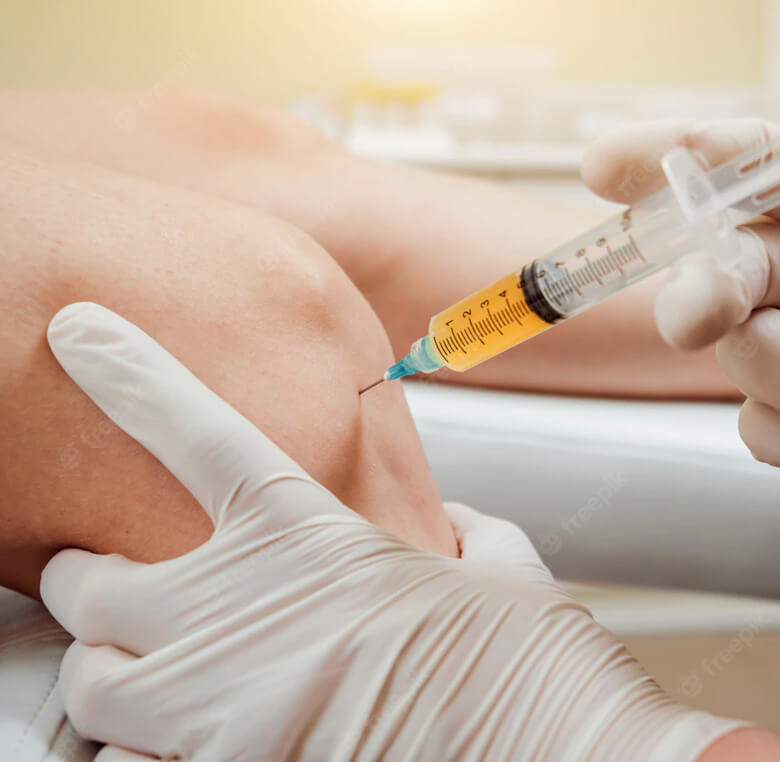
Injection into the Knee: After preparation, the PRP is injected directly into the knee joint or the area affected by pain or damage. The procedure is typically done under local anesthesia to minimize discomfort.
Post-Treatment Care: After the injection, the patient may experience mild swelling or soreness in the knee. Ice packs can be applied to reduce swelling, and over-the-counter pain medications may be recommended if necessary. Patients are advised to avoid high-impact activities for a short period to allow the knee to heal effectively.
Follow-Up: Patients usually return for follow-up appointments to monitor progress. In some cases, additional PRP injections may be needed, depending on the severity of the knee condition and the patient’s response to the treatment.
Why Choose Abu Dhabi for PRP Knee Pain Management?
Abu Dhabi has become a leading hub for advanced medical treatments, including PRP therapy for knee pain. The city boasts a highly skilled medical community, with professionals who are well-trained in the latest regenerative medicine techniques. The healthcare infrastructure in Abu Dhabi is state-of-the-art, offering access to cutting-edge technology and facilities that ensure the highest standards of care for patients.
Several factors make Abu Dhabi a top destination for PRP therapy:
World-Class Medical Facilities: Abu Dhabi is home to numerous internationally accredited hospitals and clinics equipped with the latest medical technologies, including the equipment necessary for performing PRP therapy with precision and safety.
Experienced Healthcare Professionals: The healthcare providers in Abu Dhabi are highly skilled and experienced in regenerative medicine treatments. They use the most advanced techniques to ensure the best outcomes for their patients, guiding them through each step of the PRP treatment process.
Comprehensive Care: In addition to PRP therapy, many medical facilities in Abu Dhabi offer a range of complementary treatments and rehabilitation programs to support the healing process and improve long-term knee health.
Cultural and Medical Tourism: Abu Dhabi is an attractive destination for medical tourism due to its world-class healthcare system, luxurious accommodations, and cultural attractions. Patients from around the world travel to the city for high-quality medical care, making it a prime location for treatments like PRP therapy.
Frequently Asked Questions (FAQs)
How effective is PRP therapy for knee pain?
PRP therapy has shown promising results in treating knee pain, particularly in conditions like osteoarthritis, ligament injuries, and tendonitis. Many patients report significant pain relief, improved joint function, and a reduction in inflammation after undergoing PRP therapy. However, results can vary, and some individuals may require multiple sessions to achieve optimal results.
Is PRP therapy safe for knee pain?
PRP therapy is considered a safe treatment option because it uses the patient’s own blood, minimizing the risk of allergic reactions or infection. The procedure is minimally invasive, and side effects are generally rare. However, as with any medical treatment, it is important to discuss any concerns with a healthcare provider before proceeding.
How many PRP injections are needed for knee pain?
The number of PRP injections required depends on the severity of the knee condition and the patient’s response to treatment. Some patients experience significant improvement after a single injection, while others may require two or more sessions spaced several weeks apart. Your healthcare provider will determine the optimal treatment plan based on your individual needs.
Does PRP therapy require a long recovery time?
PRP therapy is minimally invasive, and most patients experience only mild discomfort or swelling after the procedure. The recovery time is typically short, with many individuals returning to normal activities within a few days. However, it is recommended to avoid high-impact activities or strenuous exercise for a few weeks to allow the knee to heal properly.
Can PRP therapy delay the need for knee surgery?
For many patients, PRP therapy can help delay or even avoid the need for knee surgery. It can alleviate pain, reduce inflammation, and improve joint function, making it a valuable option for individuals with knee conditions that would otherwise require surgical intervention.
Conclusion
PRP therapy is an innovative and effective treatment option for managing knee pain, offering a non-surgical alternative with minimal downtime and excellent results. In Abu Dhabi, patients can benefit from world-class medical facilities and experienced professionals skilled in performing PRP therapy. Whether you're suffering from osteoarthritis, ligament injuries, or tendonitis, PRP therapy may be the solution to restoring knee function and alleviating pain. If you're considering this treatment, consult with a healthcare provider to learn more about how it can benefit you.


