How Long Does Acne Treatment Take
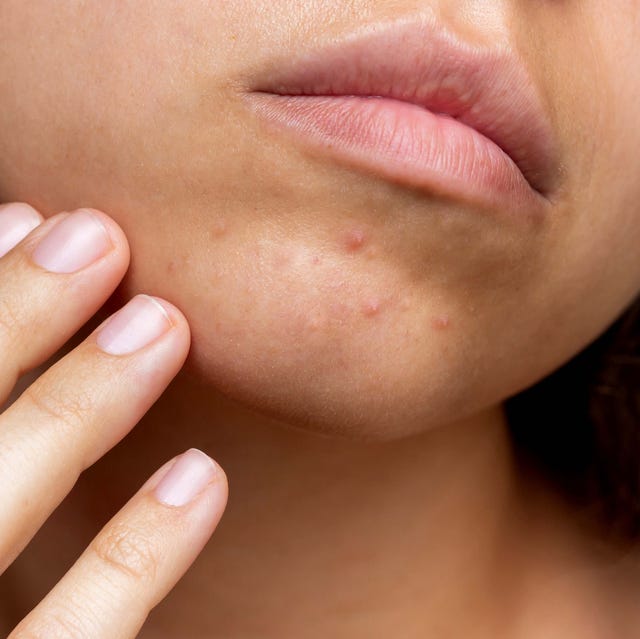
Acne is a skin condition that impacts people across all age groups. In Abu Dhabi, where the environment brings together heat, humidity, and dust, the approach to treating acne must be both strategic and personalized. Many individuals seeking clear skin often ask: how long does acne treatment really take in Abu Dhabi?
The answer is not universal. The duration of Acne treatment in Abu Dhabi depends on several factors, including skin type, severity of acne, adherence to the plan, and environmental exposure. This article explores how these elements come into play and offers a comprehensive understanding of what to expect on the journey to clear skin.
Understanding Acne in the Context of Abu Dhabi
The unique climate of Abu Dhabi plays a significant role in skin health. High temperatures and persistent exposure to humidity can increase sebum production, clog pores, and trigger or worsen acne. Dust particles in the air can also settle on the skin, potentially irritating it or mixing with sweat and oil to form breakouts.
Given these conditions, acne treatments in Abu Dhabi must consider external environmental factors in addition to internal ones. The duration of treatment, therefore, may differ compared to other regions.
Factors That Influence Acne Treatment Duration
Skin Type and Condition
One of the most important variables in treatment duration is the individual’s skin type. Oily skin may require more frequent cleansing and specific formulations, while sensitive skin may need a gentler, slower approach. Combination skin types might require different treatments for different facial zones, which can extend the time it takes to find the right balance.
Additionally, those with mild acne often respond faster than individuals with moderate to severe acne. The more persistent or inflamed the acne is, the longer the treatment phase may last.
Treatment Personalization
No two cases of acne are the same. Personalized acne treatment plans often begin with a skin assessment, leading to a customized regimen designed to suit the individual’s skin type and lifestyle. The effectiveness of the plan—and how strictly it is followed—affects the timeline for visible improvement.
In Abu Dhabi, these plans also consider daily routines, whether someone spends more time indoors with air conditioning or outside in the heat and sun. The more aligned the treatment is with the person’s real-world skin exposure, the more efficiently it works.
Climate Considerations
The extreme weather in Abu Dhabi—especially in summer—can impact how skin behaves. Sweat, heat, and UV exposure may all interfere with certain treatments or slow down healing. As a result, even highly effective treatments may take longer in peak summer months than during milder seasons.
Adjusting the skincare routine with seasonal changes is a common strategy in personalized plans, and this adaptability may influence the overall duration of treatment.
Consistency and Routine
The success of acne treatment largely depends on consistency. Even the most well-designed regimen won’t yield results if applied irregularly or skipped often. Individuals who maintain a disciplined skincare routine tend to experience visible improvements within the expected timeframe. Delays often occur when steps are missed or changes are made without professional guidance.
Typical Timeline for Acne Treatment
While treatment plans are always personalized, there are some general timeframes many people can expect, especially within the context of a climate like Abu Dhabi's.
First 4 to 6 Weeks: Initial Response
During the first month or so of starting treatment, the skin begins adjusting to new formulations and routines. This phase may include a noticeable reduction in surface oiliness and the beginning of pore refinement. Some breakouts may still occur, but their frequency and intensity often start to lessen. Hydration and skin texture may also improve depending on the regimen.
This is also the time when the treatment may be slightly modified based on how the skin reacts—ensuring a better fit as things progress.
2 to 3 Months: Visible Improvement
By the end of the second or third month, the majority of users will notice visible changes. Breakouts become fewer, inflammation reduces, and the skin starts to look smoother. Existing blemishes and red spots begin to fade, though deeper marks or scarring may take longer.
Adjustments are typically made during this phase—tweaking the frequency of application, updating certain products, or shifting the morning/evening balance of the regimen.
4 to 6 Months: Deep Healing and Balancing
This phase is where more long-lasting results take shape. By this time, active acne is generally under control, and the focus shifts toward maintaining clarity and improving skin resilience. Texture and pigmentation may continue to improve. In cases of previous scarring or hyperpigmentation, supplementary strategies may be introduced to refine the skin tone and support regeneration.
This stage is often considered the turning point between active treatment and ongoing maintenance.
Beyond 6 Months: Maintenance and Prevention
After consistent progress, the treatment plan often transitions into a maintenance routine. This involves using a simplified version of the original regimen that supports the skin’s new, balanced condition while reducing the risk of relapse. Maintenance routines are crucial in Abu Dhabi, where weather conditions can easily trigger flare-ups if the skin is left unmanaged.
Seasonal changes and life events—such as travel, stress, or diet shifts—may still impact the skin, so periodic reviews and adjustments help keep the results intact.
What to Expect Along the Way
The acne treatment journey is often nonlinear. It's normal to experience occasional flare-ups even during periods of improvement. This doesn't mean the treatment is ineffective—it simply reflects the complexity of skin behavior in response to internal and external changes.
In Abu Dhabi, days with heavy dust, extreme heat, or high humidity may temporarily irritate the skin. Personalized plans account for these disruptions by building flexibility into the treatment approach.
It’s also worth noting that skin goals may shift during treatment. Initially, the focus might be on reducing active acne, but later it may move toward improving skin tone, addressing pigmentation, or refining overall texture.
Staying Patient and Committed
The timeline for acne treatment in Abu Dhabi requires patience and persistence. Environmental challenges, combined with skin variability, mean that long-term success is more likely when the approach is steady and personalized.
Shortcuts rarely lead to sustainable results, whereas a methodical, adaptable plan often leads to clearer skin and improved confidence. Staying consistent, attending follow-ups, and being open to gradual improvement all contribute to better outcomes.
Conclusion
So, how long does acne treatment take in Abu Dhabi? The answer is: it depends on your skin, the plan you follow, and how committed you are to the process. While initial improvements may appear within the first month, lasting clarity often takes between 3 to 6 months of consistent, personalized care.


