The Science Behind Sclerotherapy
Vein-related issues, such as varicose veins or spider veins, can affect both men and women, leading to physical discomfort and cosmetic concerns. In recent years, minimally invasive vein removal treatments, such as sclerotherapy in Abu Dhabi, have become increasingly popular, offering patients effective solutions with minimal downtime. These advanced procedures not only address the appearance of unsightly veins but also improve circulation and alleviate discomfort.
Understanding Varicose Veins and Spider Veins
Before we explore the science behind sclerotherapy, it's essential to understand the conditions it treats. Varicose veins are enlarged, twisted veins that commonly appear on the legs. They occur when the valves inside the veins become weak or damaged, leading to blood pooling in the veins and causing them to bulge and become visible.
Spider veins, on the other hand, are smaller, more superficial veins that often appear in a web-like pattern on the skin. These veins are typically less painful but can be a cosmetic concern for many people. Both conditions are more prevalent in women and tend to worsen with age, hormonal changes, pregnancy, or prolonged standing.
What Is Sclerotherapy?
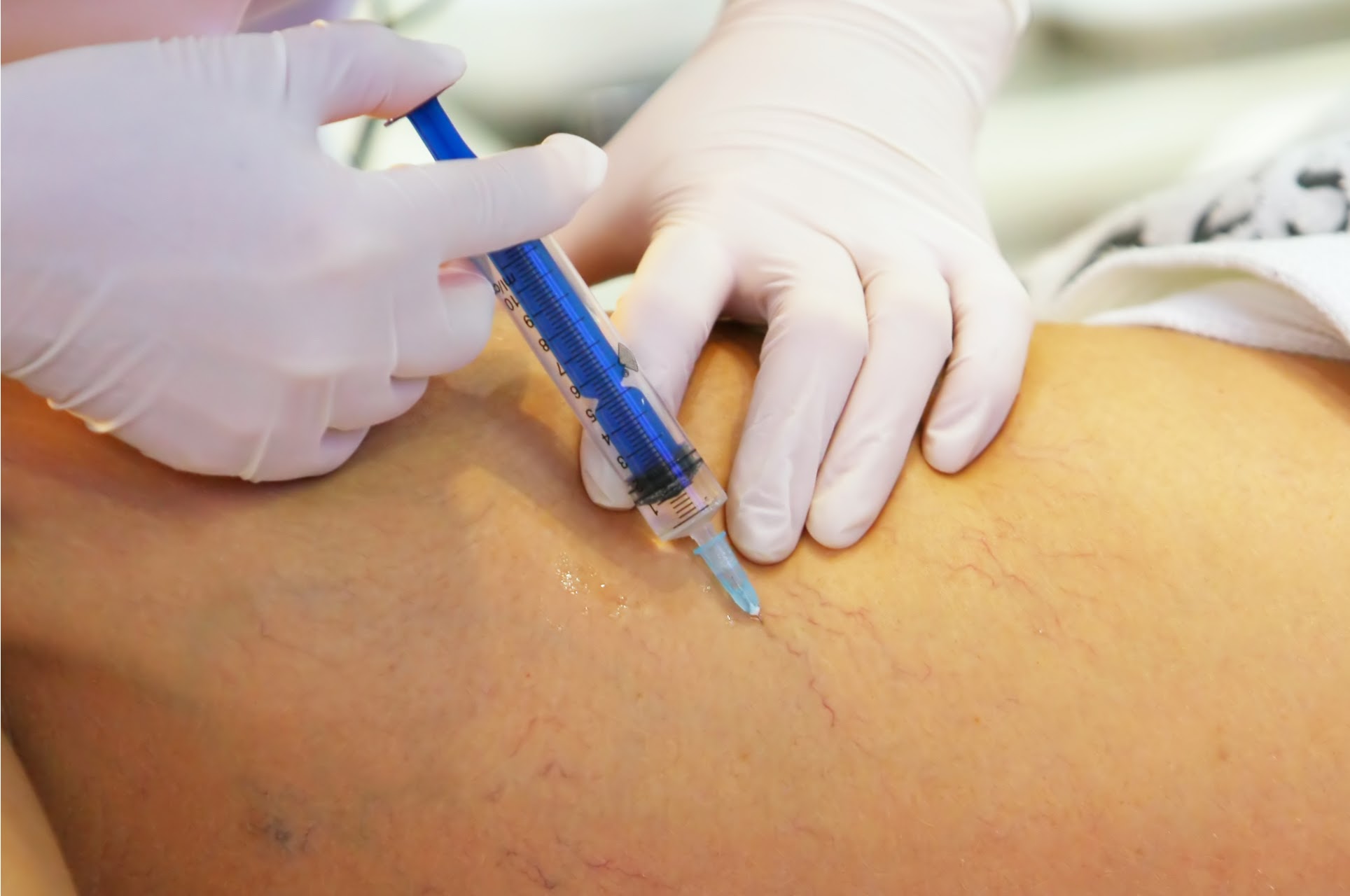
Sclerotherapy is a minimally invasive procedure that targets and treats varicose veins and spider veins by injecting a sclerosing solution directly into the affected veins. The sclerosing solution causes the vein to collapse, shrink, and eventually fade from view. Over time, the treated vein is absorbed by the body and replaced with scar tissue, which no longer carries blood.
The procedure is performed in a clinical setting, typically with local anesthesia, and does not require any major incisions or hospital stays. Sclerotherapy has gained significant popularity in Abu Dhabi as a simple yet effective solution for treating vein issues without the need for surgery.
How Does Sclerotherapy Work?
The science behind sclerotherapy is based on the principle of causing chemical irritation to the inner lining of the vein, leading to its closure and eventual absorption by the body. Here's how it works:
Injection of the Sclerosing Solution: A trained specialist injects a sclerosing agent, which is typically a saline or detergent-based solution, into the target vein using a fine needle. The solution irritates the endothelial cells lining the vein, causing them to collapse and stick together.
Vein Closure: Once the vein collapses, blood flow is redirected to healthier veins. The body recognizes the treated vein as damaged, and over time, the vein shrinks and disappears. This process can take a few weeks to a few months, with the veins gradually fading from sight.
Absorption of the Vein: As the body heals, the collagen and scar tissue that form around the treated vein will eventually be absorbed. The treated vein will no longer be functional, and blood will flow through the healthier veins, improving circulation.
The Sclerotherapy Procedure in Abu Dhabi
Sclerotherapy is a straightforward procedure that can be performed in an outpatient setting in Abu Dhabi. The process typically involves the following steps:
Initial Consultation: During the consultation, the healthcare provider evaluates the patient’s veins and medical history. The doctor will assess whether sclerotherapy is the right treatment option based on the type and extent of the vein issue.
Preparation: The skin around the targeted veins is cleaned, and in some cases, a local anesthetic may be applied to ensure comfort during the procedure.
Injection of the Sclerosing Agent: Using a small needle, the doctor injects the sclerosing solution directly into the affected veins. Multiple injections may be necessary, depending on the number and size of veins being treated.
Post-Treatment Care: After the procedure, patients are usually advised to wear compression stockings to help promote the absorption of the treated veins and to reduce the risk of blood clots. The doctor may also recommend light physical activity, such as walking, to encourage blood circulation.
Follow-Up Appointments: Patients typically return for follow-up visits to monitor the progress of the treatment and to determine if additional sessions are needed.
Advantages of Sclerotherapy in Abu Dhabi
Sclerotherapy offers numerous benefits for those seeking treatment for varicose and spider veins in Abu Dhabi. These include:
Minimally Invasive: Unlike traditional surgical methods, sclerotherapy does not require large incisions or general anesthesia. This means a quicker recovery time and fewer risks.
Effective for Various Types of Veins: Sclerotherapy is effective for treating both spider veins and larger varicose veins, making it a versatile treatment option.
Cosmetic Improvement: One of the primary reasons people opt for sclerotherapy is its cosmetic benefit. The procedure can significantly improve the appearance of the legs and other areas affected by visible veins.
No Downtime: Patients can typically resume normal activities shortly after the procedure, with only minor discomfort or bruising at the injection site.
Long-Lasting Results: The treated veins usually do not recur, though new veins may form over time. Maintenance treatments may be required for continued improvement.
The Science of Vein Healing After Sclerotherapy
After the sclerosing agent is injected into the vein, the body begins the natural healing process. The vein’s endothelial lining becomes inflamed, which triggers the body’s response to treat the injured vessel. This process results in fibrosis, where the vein is replaced with scar tissue. The body gradually absorbs the closed vein over a period of weeks or months, leaving the skin looking smoother and free of visible veins.
During this healing process, patients may notice some temporary side effects such as mild bruising, swelling, or redness, but these typically subside within a few days or weeks.
Post-Treatment Care and Results
Following sclerotherapy, it is essential for patients to follow post-treatment instructions to achieve optimal results. Compression stockings are often recommended to support the treated veins and to help reduce swelling. Additionally, patients are advised to avoid standing or sitting for prolonged periods immediately after the procedure, as this could hinder circulation.
Results from sclerotherapy typically begin to show within a few weeks, with the treated veins fading gradually over time. In some cases, more than one session may be necessary, especially for larger or more stubborn veins. However, most patients experience a significant reduction in the appearance of their varicose or spider veins.
Conclusion
Sclerotherapy has revolutionized the treatment of varicose and spider veins, offering a non-invasive, effective, and safe option for those looking to improve the appearance of their legs and overall skin. In Abu Dhabi, this treatment has become a popular choice due to its ease of use, minimal downtime, and long-lasting results. By understanding the science behind sclerotherapy, patients can make informed decisions about their vein care and achieve the aesthetic outcomes they desire.


